


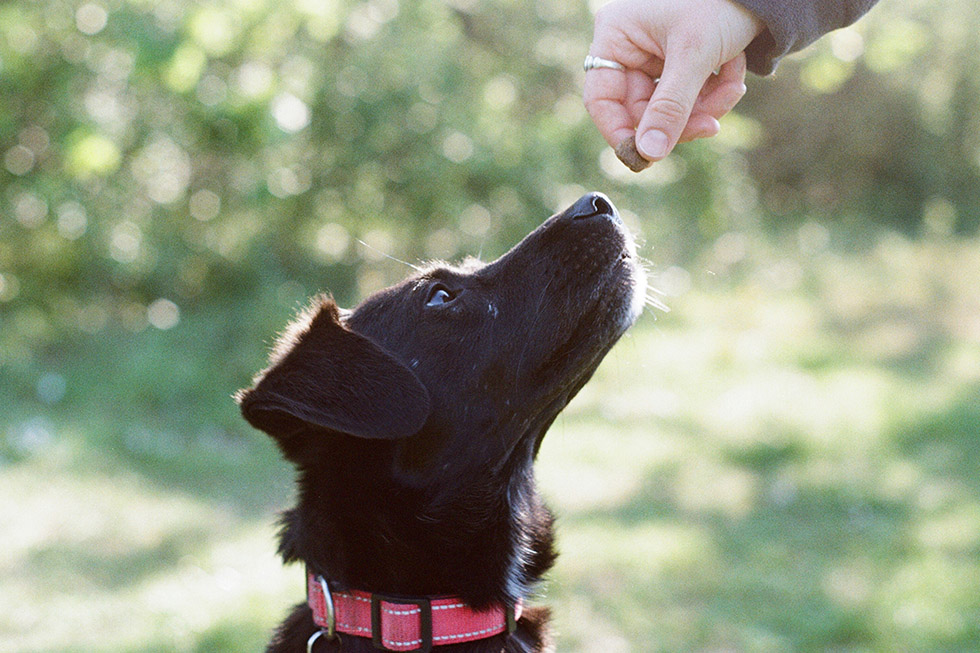
That includes knowledgeable insights from Gareth Bingon, Director of EzyDog.
Coaching a canine isn’t merely about educating them to take a seat, keep or stroll politely on a lead. It’s about constructing belief, creating constant expectations and understanding how the fitting tools can assist safer, extra fulfilling experiences. Coaching is a lovely language that you just create alongside your trusty companion. It means that you can talk and perceive one another.
From puppies studying their first instructions to grownup canine combating pulling or reactivity, Australian homeowners face loads of coaching challenges.
Pet Insurance coverage Australia caught up with Gareth Bingon, Director of EzyDog, to talk about coaching aids and the most important errors homeowners make…and, surprisingly, it has nothing to do with the canine or the tools they use.
30-Second Reply: What Makes Canine Coaching Profitable?
Consistency, optimistic reinforcement and appropriately fitted tools are the foundations of efficient canine coaching. Begin in quiet environments, progressively introduce distractions and reward fascinating behaviour. An appropriate harness, fixed-length lead, and lengthy coaching line can assist secure studying, however tools alone can’t repair behavioural issues.
Why Is Consistency So Necessary in Canine Coaching?
Probably the most widespread errors homeowners make is anticipating canine to grasp guidelines that change relying on who’s holding the lead.
“Inconsistency, for sure. One individual in the home lets the canine bounce up, one other tells it off, and the canine spends its life guessing,” Bingon explains.
He additionally warns towards practising instructions completely in acquainted environments.
“The second mistake is just coaching the place it’s straightforward. A canine that sits fantastically within the kitchen has not learnt to take a seat on the off-leash seashore with three kelpies tearing previous.”
His recommendation is to start coaching someplace quiet earlier than progressively introducing new environments, folks, canine and distractions.
Whereas dog-equipment could make coaching safer and simpler, it can’t exchange consistency.
“Gear is the device. Consistency is the commerce.”
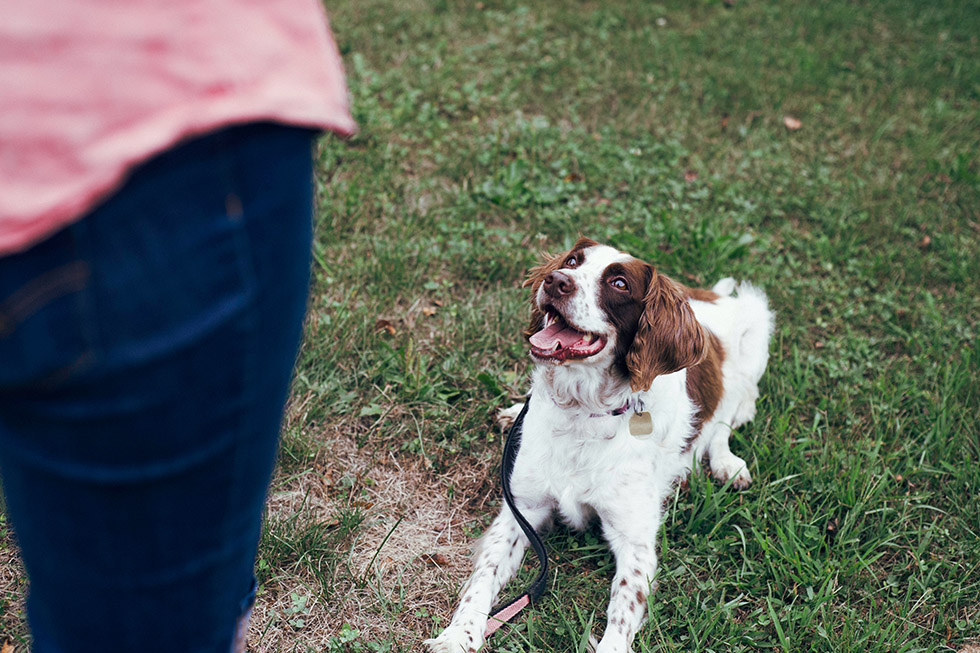
What Canine Coaching Tools Do Homeowners Truly Want?
With numerous harnesses, collars, leads and coaching equipment out there, it’s straightforward to imagine extra tools means higher outcomes.
Bingon disagrees.
“If the drawer is full and the canine nonetheless pulls, the drawer isn’t the issue.”
For pet homeowners, he recommends beginning with a couple of necessities:
- Mounted-length lead: Roughly 1.8 metres for on a regular basis strolling and establishing constant boundaries.
- Lengthy coaching line: Helpful for practising recall at a secure distance earlier than progressing to off-leash environments.
- Deal with pouch: Retains rewards available so fascinating behaviour may be strengthened promptly.
- Effectively-fitted collar or harness: Chosen in keeping with the canine’s dimension, wants and coaching method.
High quality, match and sturdiness matter greater than the variety of equipment an proprietor purchases.
Harness vs Collar: Which Is Higher for Canine Coaching?
Each collars and harnesses have a spot in canine possession, however understanding their totally different functions may also help stop discomfort and enhance management.
When ought to a canine put on a harness?
Harnesses distribute strolling stress throughout the canine’s physique moderately than concentrating it across the neck.
They are often significantly helpful for canine that pull, smaller breeds, flat-faced canine comparable to Pugs and French Bulldogs, and canine with current neck considerations.
“As a result of a harness takes the dialog off the canine’s throat,” he explains. “When you perceive what repeated stress can do to a trachea, particularly on small breeds and flat-faced canine, you cease pondering of a collar because the default strolling attachment.”
Bingon explains {that a} well-fitted harness distributes stress throughout the canine’s chest and shoulders moderately than concentrating it on the neck. This not solely supplies larger consolation and management but in addition permits homeowners to higher perceive their canine’s behaviour with out the added stress of stress on the throat.
Nevertheless, choosing the proper harness is crucial, as totally different designs serve totally different functions, from on a regular basis strolling to managing pulling and supporting particular coaching wants.
Entrance-clip vs back-clip harnesses
A back-clip harness attaches the lead above the canine’s again and is often used for on a regular basis strolling.
A front-clip harness attaches on the chest, serving to redirect a canine in the direction of its handler when it pulls.
For canine that persistently pull, a entrance attachment might present larger management whereas homeowners work on loose-lead strolling.
Importantly, the harness should match appropriately.
“A badly fitted harness that lets the canine lean its complete chest into the strap is successfully a sled-pulling rig, and the canine will fortunately oblige.”
How ought to a canine harness match?
A appropriately fitted harness ought to:
- Permit roughly two fingers to take a seat flat beneath the straps.
- Sit comfortably throughout the breastbone with out driving into the throat.
- Keep away from rubbing behind the entrance legs.
- Stay safe with out rotating or sliding.
- Permit snug motion with out the canine simply backing out.
Homeowners ought to examine the match whereas their canine is standing and transferring, significantly as puppies develop or grownup canine change form.
Are canine collars nonetheless vital?
Completely. Collars stay helpful for carrying identification and registration tags, and a few canine that stroll calmly on a lead can comfortably put on a flat collar.
Martingale collars also can present extra safety for breeds comparable to Greyhounds and Whippets, whose head and neck proportions make slipping out of conventional collars simpler.
Nevertheless, collars shouldn’t be used to use drive to a canine that pulls closely.
Bingon gives a helpful distinction:
“Collar on for ID, harness on for load. That cut up retains everybody sincere.”
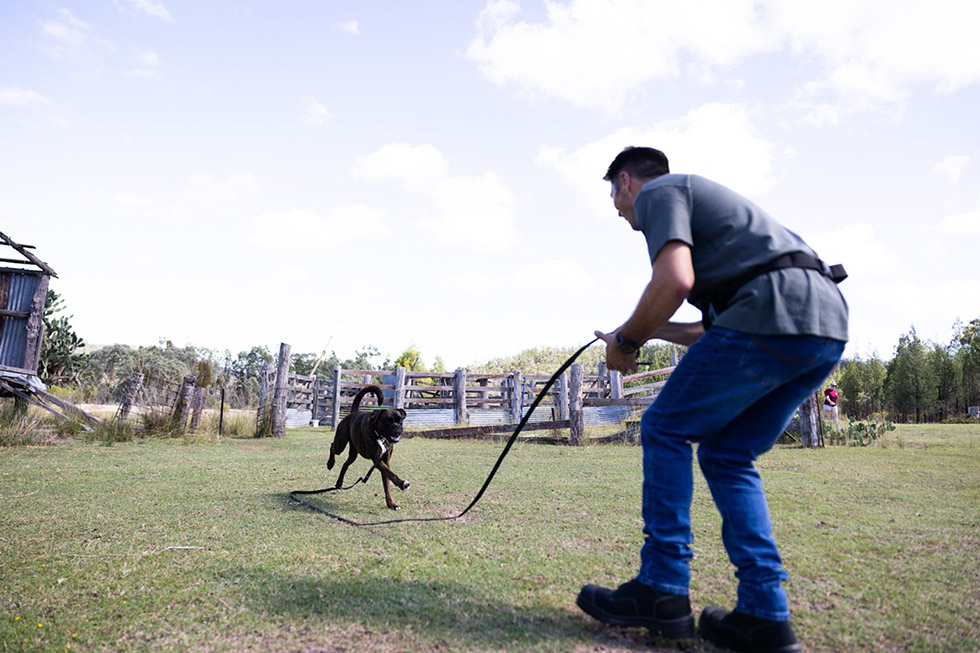
How Lengthy Ought to a Canine Coaching Lead Be?
Completely different coaching actions require totally different lead lengths.
| Lead size | Really useful use |
| 1.2–1.8 metres | On a regular basis walks and loose-lead coaching |
| 3–5 metres | Early recall coaching and exploratory walks |
| 5–10 metres | Recall follow at larger distances in appropriate open areas |
Lengthy coaching strains give canine larger freedom whereas permitting homeowners to keep up management.
“As a result of recall needs to be practised at distance, and a protracted line helps you to do this with out ever letting the canine study that ‘come’ is non-compulsory.”
Probably the most essential instructions canine homeowners can educate is recall (“come”), but its worth is commonly underestimated. A dependable recall may be lifesaving, significantly when surprising conditions come up. Whether or not it’s an out-of-control canine approaching on the park, a sudden distraction throughout a stroll, or an by accident open entrance door with one other canine or tempting ball in sight, figuring out your canine will return when referred to as could make all of the distinction to their security.
Bingon cautions towards utilizing lengthy strains close to site visitors and isn’t an advocate of retractable leads for coaching.
Retractable leads preserve pressure and might inadvertently educate canine that pulling ends in larger freedom.
“A retractable retains the lead barely tight, and pulling towards it’s rewarded with extra distance, which is the alternative of what you are attempting to show,” Bingon warns. “The skinny twine additionally makes them a poor alternative round different canine and site visitors. If you would like your canine to have freedom on a stroll, a protracted line offers you that distance with out the combined messages, and it’s why we designed the Vario 4 to transform between lengths. With my very own two canine, Scotch and Soda, I exploit both a static lead between 1.2 and 1.8 metres or the 1.2 metre Zero Shock.”
Does Clicker Coaching Actually Work?
Clicker coaching is a optimistic reinforcement method that makes use of a particular sound to mark the precise second a canine performs a desired behaviour.
The clicking is adopted by a reward, serving to the canine perceive exactly what it did appropriately.
“The clicker solves a timing downside,” Bingon explains.
For newbies, the method is simple. Begin by clicking and instantly providing a deal with till the canine associates the sound with a reward.
As soon as that affiliation is established, use the press to mark behaviours comparable to sitting, responding to a recall command or strolling calmly.
Hold periods brief, optimistic and fulfilling. The very best information is that after you have established the press with a clicker, you’ll be able to exchange this with a phrase or sound you make, permitting you to unencumber your arms on a stroll.
Can Coaching Tools Cease Pulling, Lunging or Reactivity?
Probably the most essential distinctions for canine homeowners is knowing the distinction between managing behaviour and altering it.
“Tools manages behaviour, coaching adjustments it,” Bingon says.
An appropriate harness might present higher management over a canine that pulls or lunges, nevertheless it doesn’t essentially tackle the underlying motive for that behaviour.
Concern, aggression, useful resource guarding and separation anxiousness require greater than a unique lead or harness.
For these challenges, homeowners ought to search steering from a certified coach or veterinary behaviourist.
Sudden behavioural adjustments additionally warrant veterinary consideration, significantly if a usually pleasant canine begins snapping, resisting walks or displaying uncommon aggression.
Ache or sickness could also be contributing to the change.
What If Your Canine Hates Sporting a Harness?
A canine that avoids its harness isn’t essentially being cussed. The tools could also be uncomfortable, poorly fitted or related to an disagreeable expertise.
Bingon recommends introducing harnesses progressively by means of optimistic experiences.
Begin by permitting the canine to research the harness, rewarding calm behaviour and progressively progressing in the direction of placing it on.
Keep away from forcing the method or speeding to lock the straps.
With endurance, optimistic reinforcement and appropriate tools, many canine can develop into extra snug sporting a harness.
How Lengthy Does Canine Coaching Take to Work?
There isn’t any common timeline for profitable canine coaching.
Some homeowners might discover enhancements in easy behaviours inside a couple of weeks of brief, constant every day periods. Extra established habits and complicated behavioural considerations can take significantly longer and might have skilled help in a one-on-one setting or a bunch setting.
The canine’s age, earlier experiences, atmosphere and the proprietor’s consistency all affect progress.
Bingon additionally reminds homeowners that tools must be checked repeatedly.
“By situation, not by calendar, although I’d not discourage folks from rotating their tools each one to 2 years,” he advises.
“Examine correctly as soon as a month and after any huge occasion: a seashore vacation, a scrap with a fence, a teething pet discovering the lead. Exchange something with frayed webbing, cracked buckles, corroded {hardware} or stitching pulling free, and exchange it earlier than the stroll the place it fails, not after.”
Bingon additionally reminds homeowners that even a lead that appears completely nice at first look could also be unsafe if it has been chewed or broken. Whereas high quality coaching tools can final for years with correct care, worn, uncared for or chewed gear can rapidly develop into a security danger. Common inspections and well timed replacements are important to protecting canine safe on each stroll.
Continuously Requested Questions About Canine Coaching
What’s the finest age to begin coaching a pet?
Puppies can start studying easy behaviours and family routines from the time they arrive house. Hold coaching periods brief, optimistic and applicable for his or her age and growth.
Is a harness higher than a collar for a canine that pulls?
A correctly fitted harness, significantly one with a entrance attachment level, might assist homeowners handle pulling extra comfortably. Nevertheless, loose-lead coaching remains to be vital to alter the behaviour.
Are you able to prepare an older canine?
Sure. Grownup and senior canine can study new behaviours by means of constant, reward-based coaching. Established habits might require extra time and endurance.
Ought to canine put on harnesses all day?
Harnesses are typically finest used for actions the place they’re wanted, comparable to strolling or supervised coaching. Take away them when applicable to scale back the danger of rubbing, snagging or discomfort.
How usually ought to canine homeowners practise coaching?
Brief, common periods are typically simpler than occasional prolonged periods. Reinforcing fascinating behaviour throughout on a regular basis actions additionally helps canine perceive what’s anticipated.
Constructing Higher Behaviour Begins With On a regular basis Habits
For homeowners hoping to enhance their canine’s behaviour, Bingon’s last piece of recommendation is refreshingly easy.
“Reward the behaviour you need as a substitute of ready to right the one you don’t.”
Slightly than focusing completely on undesirable behaviours, he encourages homeowners to recognise and reward the issues their canine are doing properly.
“Coaching isn’t a six-week course you graduate from. It’s simply how you reside with a canine, and it’s extra enjoyable for each of you than the choice.”
Concerning the knowledgeable: Gareth Bingon is the Director of EzyDog, an Australian-founded canine equipment model specialising in harnesses, collars, leads and coaching tools.
Submit Views: 9

Nadia Crighton is a famend and completed skilled within the fields of Journalism, Public Relations, and Writing, with an intensive profession spanning over 25 years, 20 of which have been devoted to selling the well being and well-being of pets.

