
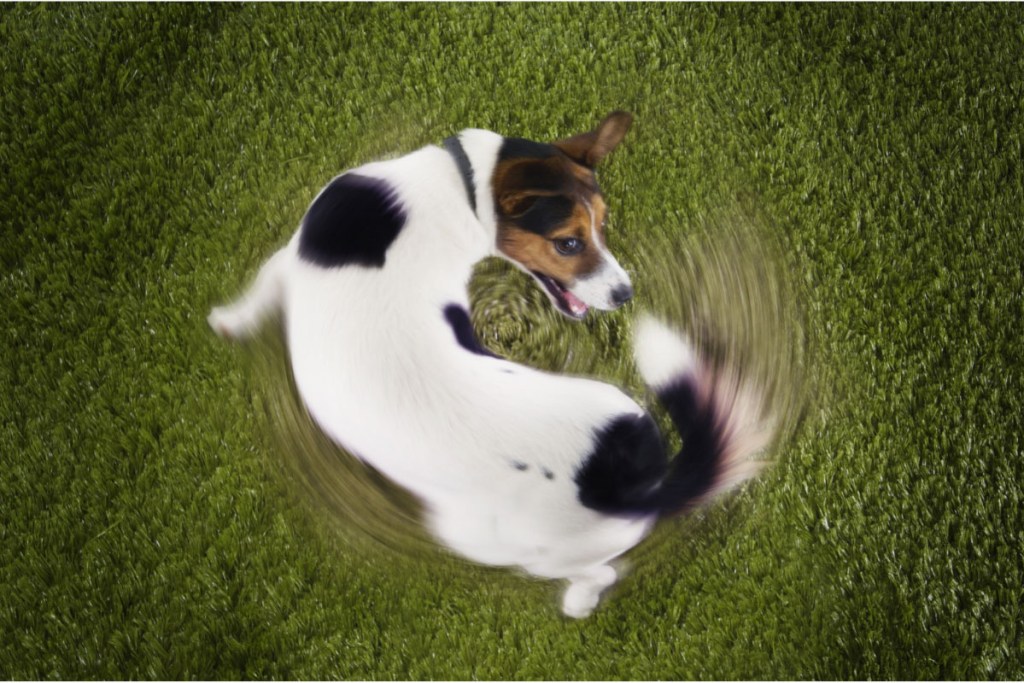
It’s such an exquisite feeling to reach residence and be greeted by your canine fortunately wagging its tail. Whether or not your finest pal has a fluffy, skinny, or brief tail, seeing them wiggling about can at all times put a smile in your face.
However have you ever ever stopped to marvel why do canines have tails? Making canine house owners joyful looks like an excellent purpose, however certainly that’s not a tail’s solely perform? Since canines are born with tails, it’s protected to imagine that there’s a good purpose for having them.
In reality, our furry mates can use their tails to do many alternative issues. And similar to a canine’s nostril can let you know many issues about its bodily wellbeing, the tail is necessary for speaking its emotional state.
Let’s check out how a canine’s tail works, why your pet makes use of it, and what it is advisable to learn about deciphering these tail wags.

Anatomy of a Canine’s Tail
A canine’s tail may be very versatile, which could lead you to imagine that this appendage has no bones. Nevertheless, you’ll be mistaken. The canine tail is definitely an extension of the backbone and is made up of a string of small bones.
There may be anyplace between 6 and 23 bones in a canine’s tail. These bones begin larger on the base and get smaller in the direction of the tip of the tail. Every bone is enclosed in muscle, which permits your canine to maneuver their tail in many alternative methods.
Your canine’s tail additionally contains tendons and nerves, which provides them feeling on this a part of their physique. In case you’ve ever unintentionally stepped in your pet’s tail (and profusely apologized after listening to them yelp), you’ll know that their tails are positively delicate.

Completely different Tail Varieties
Though the fundamental anatomy of all canine tails is identical, there are variations relying on the breed of the canine. There are round 197 canine breeds and plenty of of them have tail sorts which are curlier, thinner, thicker, or shorter than the common tail.
An otter tail is a thick, rounded tail typically seen in water canines, like retrievers. These thick tails work as a rudder when the canine is swimming. The alternative of this tail kind is the whip tail. Breeds like Greyhounds and Whippets have these lengthy, skinny tails to assist them run at higher speeds.
Sure breeds, just like the Chow Chow, are born with ringed tails that curl up over their backs, however they’ll nonetheless transfer and straighten their tails. Different canines, corresponding to Pugs, have corkscrew tails that keep in a spiral place and may’t transfer.

Why Do Canines Have Tails?
So now you recognize what your canine’s tail is made from, however why do our furry mates have these appendages? Canines use their tails for numerous sensible causes. Listed here are the principle ways in which a tail is beneficial to them in on a regular basis life.
1. Assists in Motion
When your canine is just strolling round, he doesn’t really want his tail to assist with motion. Nevertheless, when your canine is transferring rapidly or altering path abruptly, the tail may be very helpful as a counterbalance. Let’s have a look at what meaning.

When a canine adjustments path whereas operating, the entrance legs will instantly transfer within the new path. Nevertheless, the again legs will proceed on within the unique path for a second. With two pairs of legs transferring in several instructions, a canine may journey or spin off track.
That’s the place the tail turns out to be useful. To cease himself from falling, a canine throws his tail within the new path that he needs to show. This acts as a counterweight to the canine’s rear finish and helps him to show easily.
Tails additionally assist canines whereas they’re swimming. Though a lot of the motion comes from the paddling of a canine’s paws, their tail acts as a rudder to assist the canine flip and steer within the water.
2. Helps with Stability
Moreover performing as a counterbalance when your canine is transferring at excessive velocity, a tail can also be helpful for balancing on tough surfaces. When a canine walks alongside a slim floor or climbs on uneven footing, its tail helps him to steadiness.

Watch your pet the following time they climb over rocky floor or stroll throughout a slim object. The canine will intentionally swing its tail to the alternative facet of its physique’s tilt. The burden of the tail then helps your canine to keep up its steadiness.
3. Exhibits Temper and Emotional State
Your canine’s tail isn’t at all times busy serving to with motion and steadiness. More often than not, as our pets go about their each day lives, their tails are lively in different methods. The way in which that our canines transfer their tails can inform us rather a lot about their present emotional state.
Identical to people depend on facial expressions to convey feelings, canines use their tails to point out us and different canines how they’re feeling. As most canine breeds have extremely seen tails, it is sensible that that is the visible sign they use to precise their temper.

The place of a canine’s tail, the velocity at which it’s wagging, and which path it’s transferring are all components that mix to point out what a canine is feeling. Nevertheless, the tail alone can’t let you know every little thing.
Identical to people use tone of voice and physique language together with facial expressions, cues from the remainder of the canine’s physique are additionally necessary. Pay attention to your canine’s stance, the place of its ears, and what sounds your pet is making.
4. Communication
Indicating their emotional state with their tail is a part of a canine’s communication. There are too many variations of tail place and wagging velocity to cowl every little thing on this article, however listed here are among the commonest tail wags and what your canine is speaking with them.

A lowered tail implies that your canine is being submissive and displaying that it’s not a risk. When the tail is totally tucked between the legs, your pet could also be anxious or afraid.
Alternatively, a tail raised excessive exhibits {that a} canine is assured, assertive, or generally aggressive. Look to different physique cues, like raised hackles, to know what your canine means.
If a canine’s tail is wagging slowly and decrease to the bottom, it could actually imply that they’re feeling hesitant or insecure, like when assembly a brand new canine. Everybody’s favourite, in fact, is seeing these super-fast side-to-side wags. Which means your canine is worked up and joyful to see you.

Variations Between Breeds
Most canines use the identical tail habits to speak the identical issues. The one distinction between breeds is the place the impartial resting place of the tail is.
Most canines have their tails hanging at a low angle when they’re relaxed and usually are not at the moment speaking one thing particular. Nevertheless, breeds like Greyhounds and Whippets have a tendency to carry their tails tucked towards their abdomen. This doesn’t imply that they’re essentially afraid — it’s merely a unique impartial place.
In the identical approach, breeds like Beagles and Terriers have a tendency to carry their tails almost vertical on a regular basis. This may not imply that they’re on the alert, as that is merely a pure place for them. You may take note of their ears and different physique language to know what they’re speaking.

Realized Conduct
One other fascinating truth about tail wagging is that it’s discovered habits. Younger puppies don’t wag their tails till they’re about 30 days previous. They’re bodily in a position to transfer their tails, however they don’t.
It’s because speaking with their tails is social habits, and for the primary few weeks of their lives, puppies don’t have to socially work together. They merely keep near their mom, feed, and sleep.
After they become old, they begin interacting with their littermates. Via play habits and observing their mom, they then be taught to make use of their tails to speak feelings and get together with one another.

5. Spreads Their Scent
A canine’s tail-wagging habits additionally serves the aim of spreading its scent. There are two sacs, referred to as anal glands, situated beneath a canine’s tail. These comprise a liquid with a scent that’s distinctive to every canine, like a human fingerprint.
When your canine strikes its tail, the muscle tissues across the anal glands contract and press on the sacs to launch among the scents. Different canines can scent these distinctive pheromones and know that your canine is current.
This ties in with a canine’s dominant or submissive tail habits. A canine that feels assured will elevate its tail excessive in order that its distinctive scent can unfold and inform everybody that he’s round. Alternatively, a canine that doesn’t wish to be seen will hold its tail tucked to cut back the unfold of its scent.

What If a Canine Doesn’t Have a Tail?
Thus far, we’ve seen that tails are necessary instruments for canines in speaking their emotions and intentions. However what about canines who don’t have tails?
Canines which are thought of ‘tailless’ even have a tiny tail stump. A few of these are bobbed tails which are particular to a sure breed, like French Bulldogs. Sadly, nevertheless, there are various circumstances the place tails are docked, although the canine breed naturally has a protracted tail.
Immediately, most vets oppose the observe of docking tails for numerous causes. One of many penalties of docking is that canines have issue speaking with different canines. Since they’ll’t use their tails to point out their intentions, different canines are cautious to method them and extra more likely to act aggressively in the direction of them.
You probably have a say within the matter, it’s best to not have your pet’s tail docked. Tailless canines can nonetheless have joyful lives and use different physique language to speak, however it does make issues more durable for them.

Tail Accidents
Now that you simply perceive how necessary a canine’s tail is, it’s your job as an proprietor to take care of your pet’s tail and concentrate on any accidents. In case you discover that your pet’s tail is extra delicate than ordinary, gently examine for any accidents and ask the vet for recommendation in treating it.
As your pet strikes round the home and wags its tail in pleasure, it typically bumps towards tough surfaces and may choose up minor scrapes and bruises. Dry pores and skin or parasites could make their tails itch and trigger them to chew on it.
A fracture sounds horrible, however accidents can simply occur the place a tail is stepped on or caught in a door. A fractured tail is extra severe and must be handled by the vet.

Ultimate Ideas on Why Canines Have Tails
Understanding how your canine’s tail works and what it’s making an attempt to let you know is a crucial a part of being a pet proprietor. Canine tails are fantastic issues and we wish to be sure that they carry on fortunately wagging.
The anatomy and performance of a canine’s tail can differ barely in accordance with the breed. Typically, all canines use their tails to assist with motion and steadiness. It’s also an necessary a part of their communication system and the way they present emotion.
Take the time to watch your canine and its tail habits in several conditions. You’re certain to be taught rather a lot about your furry pal’s character and develop even nearer to them in consequence.

I lined all the prices related to scripting this submit on why do canines have tails. Nevertheless, it does comprise affiliate hyperlinks. Which means in the event you click on by on among the hyperlinks on this article and find yourself making a purchase order I’ll obtain a small fee. It will not have an effect on the worth that you simply pay. Simply wished to let you recognize.
Associated Posts:
Why Does My Canine Lick my Ears?

Amanda O’Brien is the proprietor of The Canine Snobs web site. She is canine mad and canine aunt to Clover in London and Poppy in Sydney. She will’t wait to have a schedule that permits her to have a canine of her personal (for now it’s two Siberian cats) and loves studying about canine breeds and canine habits.

